July 4, 2024
Like many other aspects of our lives, the pandemic also affected our oral health. Since it began, dentists reported an increase in stress-related conditions — among them teeth clenching and jaw pain — according to an American Dental Association survey. A good way to start making meaningful changes is by adopting a few of these habits.
1. Floss at least once a day
When food and bacteria collect between the teeth, they can cause decay and cavities, as well as bleeding gums, bad breath and inflammation. Left untreated, this can lead to periodontal disease and tooth loss. It also matters how you floss: use a C-shaped motion around each tooth rather than the usual quick snap between teeth.
2. Brush your tongue
You should care for your tongue the same way you soap your body and shampoo your hair. For best results, brush it while you still have toothpaste in your mouth, for the antimicrobial effect and the freshest possible breath.
3. See your dentist every 3 to 6 months
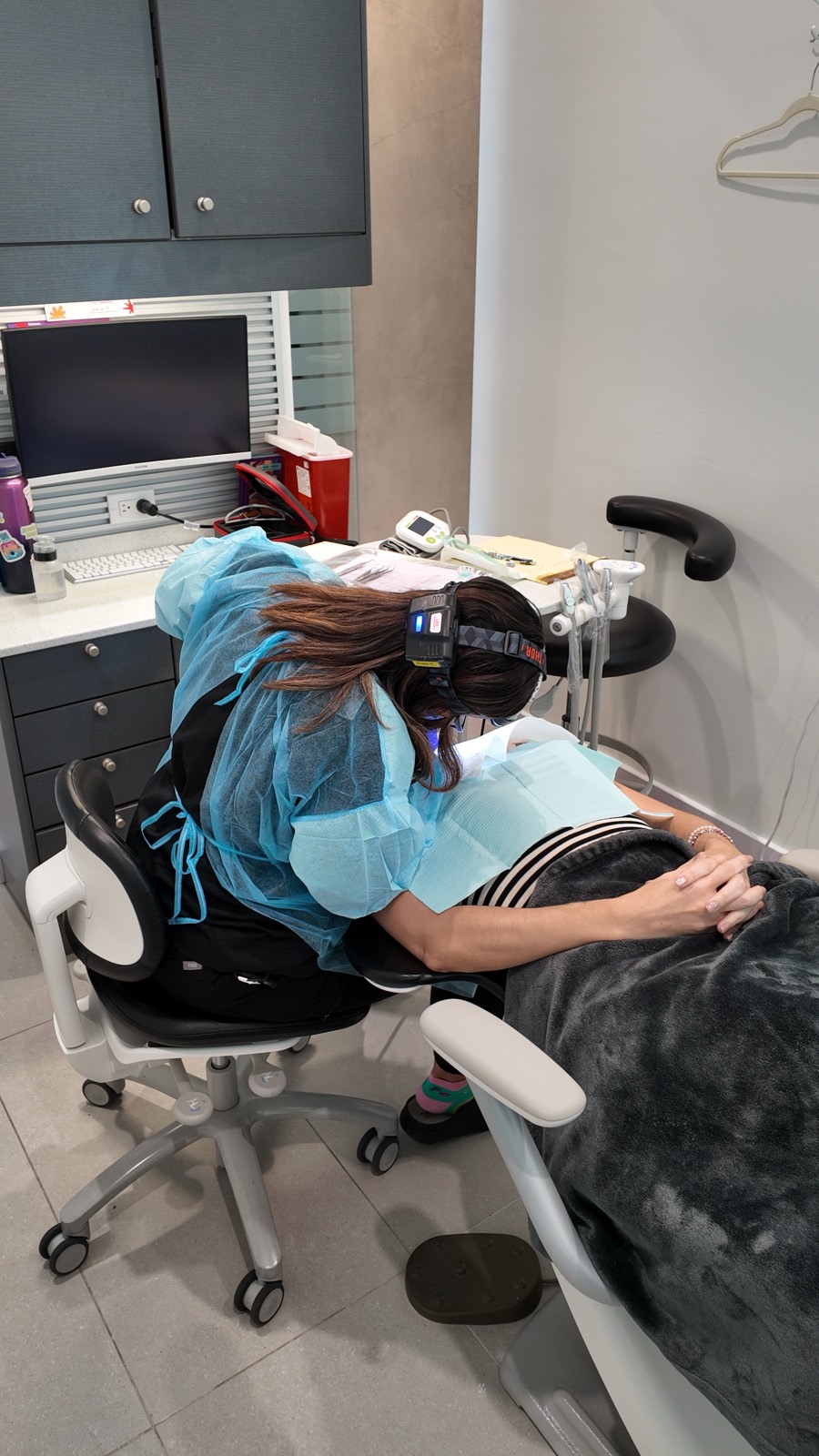
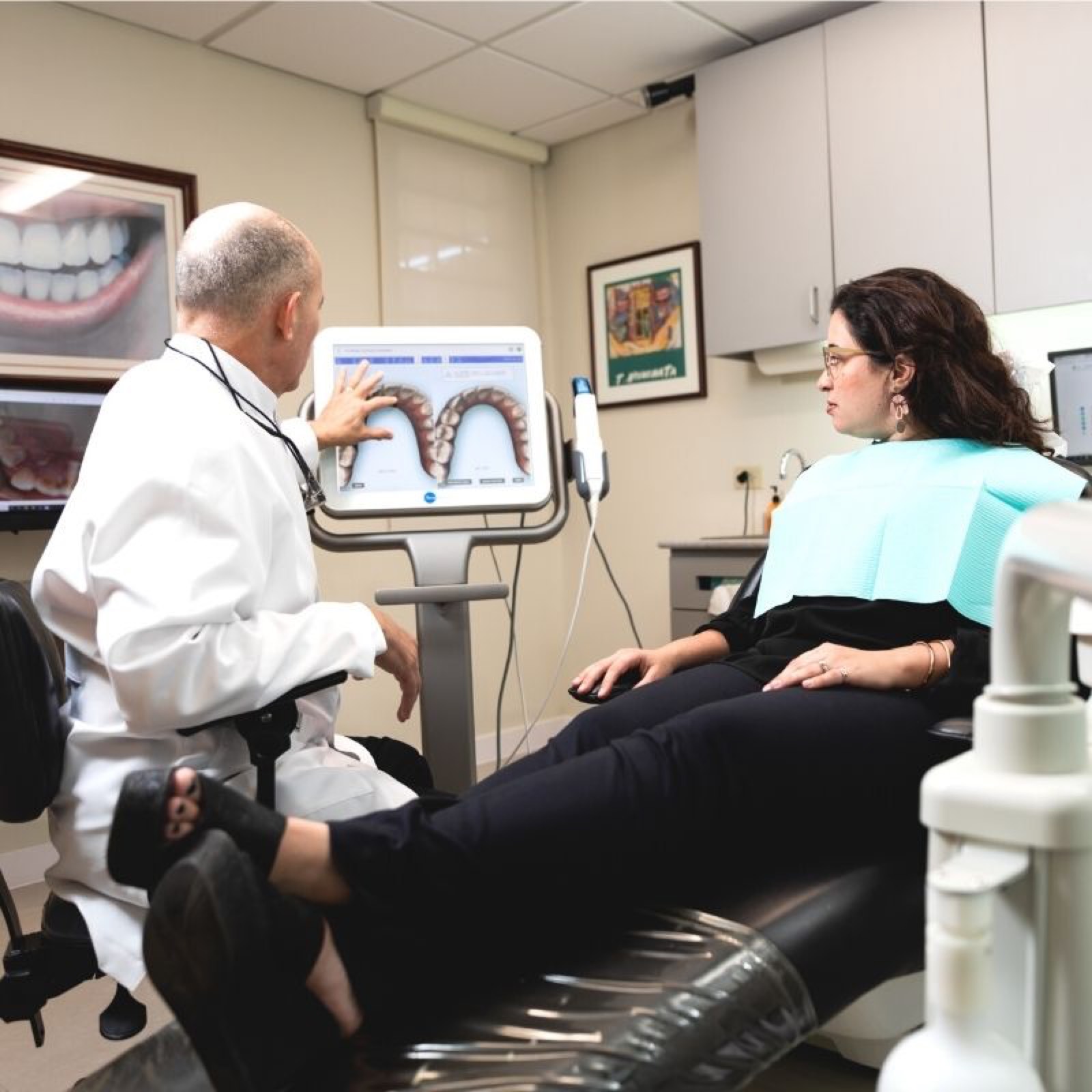
This is the ideal frequency, because a professional cleaning removes the plaque and bacteria that build up in the mouth. Left untreated, that bacteria can cause problems well beyond your mouth.
4. Use a soft-bristled brush
Brushing aggressively can hurt teeth and gums. Choosing a softer brush and being gentler prevents gum recession, enamel scratching and gingivitis. It's a common mistake to think a hard brush cleans better — the American Dental Association recommends soft bristles and replacing your brush every three to four months.
5. Use your electric brush correctly
Dentists agree that electric brushes clean more deeply than manual ones — but only when used correctly. Once you turn it on, move it tooth by tooth, pausing several seconds on each surface. Your teeth will thank you for not pressing too hard.